31 Craft Forms. One Shared Vision
To put Indian artisans on the global map with dignity, not dilution.
India is home to one of the richest craft legacies in the world. From handloom textiles to heritage surface techniques, Indian crafts represent centuries of knowledge, culture, and community. Yet, the artisans behind these traditions often remain invisible - undervalued, underpaid and excluded from global recognition.
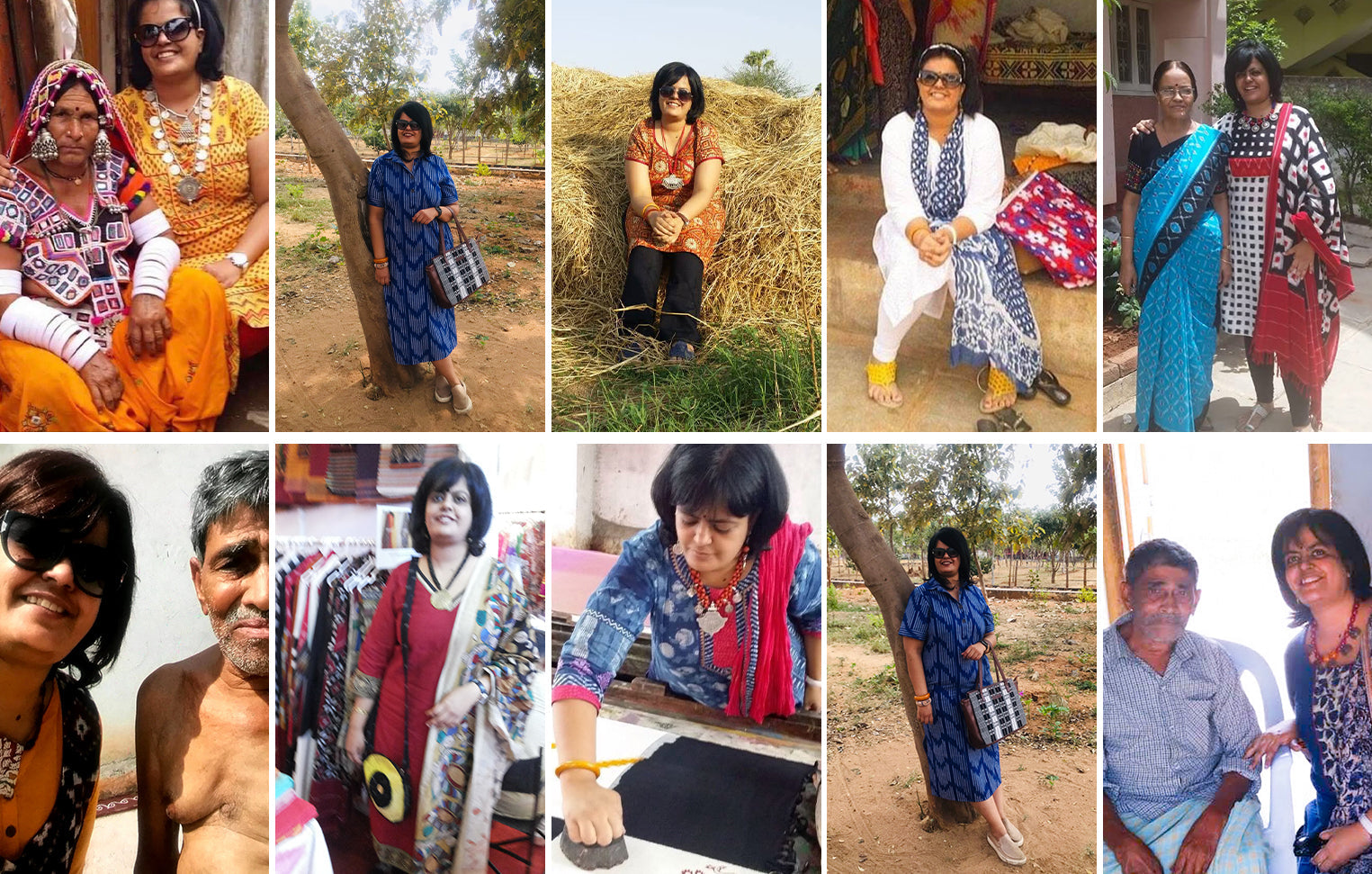
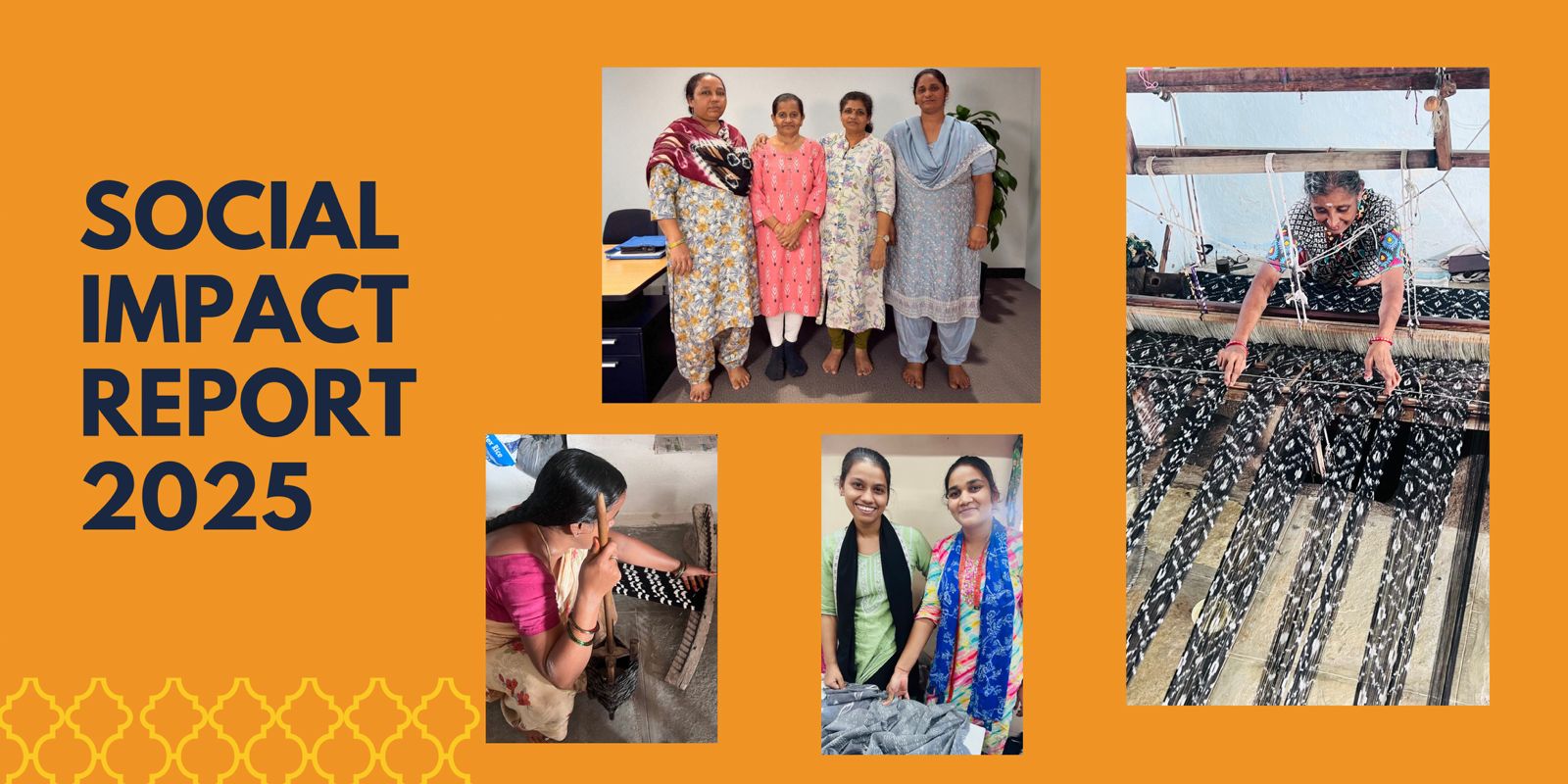
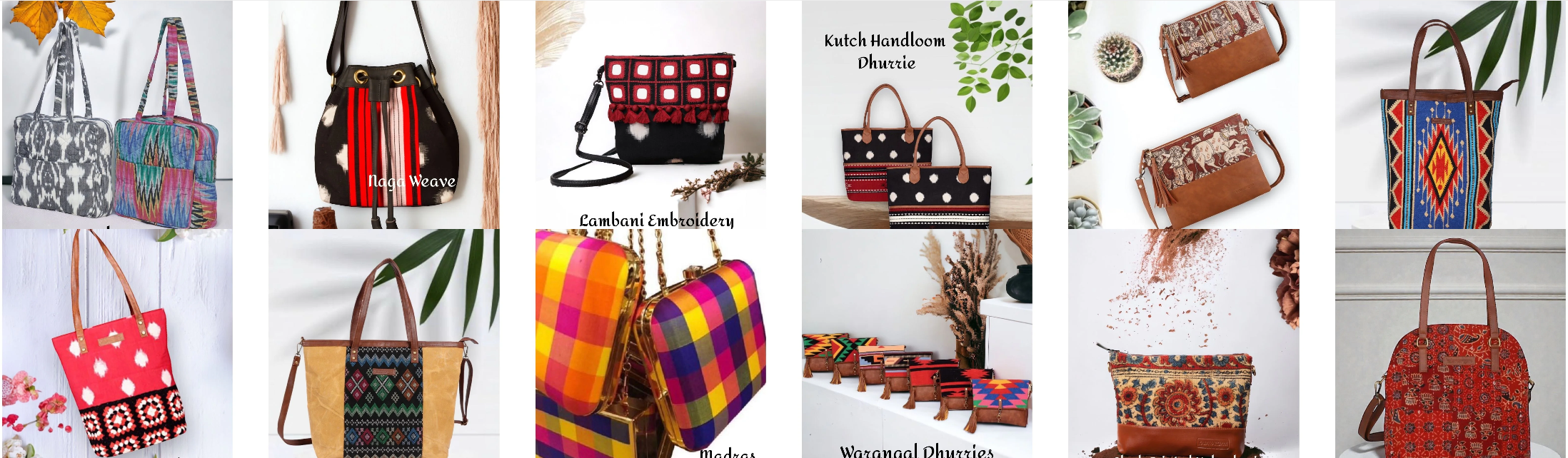
As a craft-led social enterprise rooted in sustainable fashion and ethical production, we have had the rare privilege of working across 31 Indian craft forms. Hundreds of artisans. Multiple regions. Generations of skills passed down quietly, often without continuity or fair reward.
We may be among the first social enterprises to work across so many crafts not as a catalogue of products, but as a long-term commitment to craft preservation.


Anyone can sell craft. Living it takes time, patience, and responsibility.
Some crafts walk with us for years. Others pause because craft, like people, sometimes needs time before it can return.
Craft cannot be forced into rigid deadlines, mass production cycles or fast-fashion calendars.
Artisans are not machines. Many are senior craftspeople whose physical strength may be limited, but whose knowledge is irreplaceable. For some craft is the only livelihood they know. For others it is a tradition already at risk because the younger generation no longer sees economic security or dignity in continuing it.
The Reality of Scaling Indian Crafts Sustainably
In today's fashion industry, "growth" is often defined by speed volume and constant newness. However sustainable craft development demands a different approach.
We do not measure success by the number of collections we launch each year. We measure it by the number of Indian craft forms we are able to support sustainably, year after year without dilution, shortcuts, or exploitation.
What It Truly Means to Be a Craft-Led Fashion Brand
Being a craft-led brand means choosing responsibility over convenience. It means accepting imperfections as proof of the human hand. It means respecting timelines that are artisan-led, not industry-driven. It means standing by a craft even when it is not trending or commercially "hot."
One Shared Vision: Indian Artisans on the Global Map
Our vision has never been about owning craft. It has always been about amplifying Indian artisans and traditional craft forms so they are seen, valued, and fairly compensated on a global stage.
Because craft doesn't need speed. It needs respect.